Provençal cuisine, a culinary tradition rooted in the sun-drenched region of Provence in southeastern France, is renowned for its vibrant flavours and the extensive use of herbs and spices. The cuisine reflects the region’s Mediterranean climate, where a bounty of aromatic plants grows abundantly, infusing the local dishes with unique and distinct flavours.
Key Herbs and Their Uses
Thyme (Thymus vulgaris): Thyme is perhaps the most emblematic herb in Provençal cooking. It grows wild throughout the region and is a key component of the Herbes de Provence blend. Thyme is used in various dishes, including stews, grilled meats, and vegetable preparations. Its earthy, slightly minty flavour pairs well with the region’s use of olive oil and garlic.
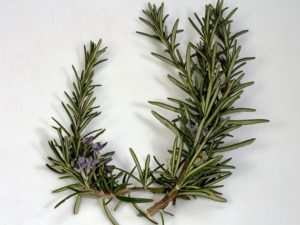
Rosemary (Rosmarinus officinalis): This herb is another cornerstone of Provençal cuisine. Rosemary’s strong, piney aroma is perfect for seasoning lamb, poultry, and roasted vegetables. In Provence, it’s also common to find rosemary in baked goods, such as fougasse, a traditional Provencal bread.
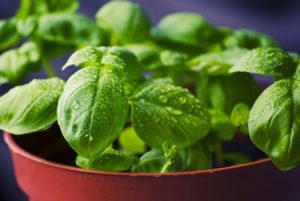
Basil (Ocimum basilicum): Basil plays a starring role in Provençal sauces, particularly in pistou, a local version of pesto made with basil, garlic, and olive oil, and sometimes tomatoes and cheese. Basil’s sweet, peppery notes are a perfect match for summer dishes like salads, soups, and sauces.
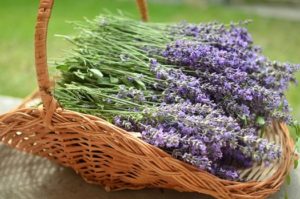
Lavender (Lavandula angustifolia): Lavender, often associated with the fragrant fields of Provence, is used sparingly in the kitchen, primarily in desserts and to flavour honey or sugar. It can also be found in savory dishes, adding a unique floral note to roasted meats or in the Herbes de Provence mix.
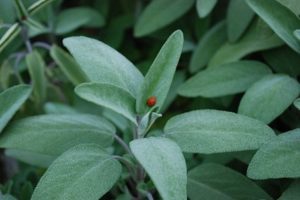
Sage (Salvia officinalis): Sage, with its slightly peppery and lemony flavour, is used in hearty dishes, often with fatty meats like pork or duck. In Provençal cuisine, it’s less commonly used than thyme or rosemary but still plays an important role in certain traditional recipes.
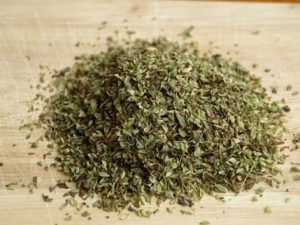
Marjoram and Oregano: These closely related herbs are used to add a sweet, slightly spicy flavor to many dishes. Marjoram is often favored for its milder taste, while oregano, being more pungent, is used in robust tomato-based sauces and grilled dishes.
The Influence of Herbes de Provence
Herbes de Provence is perhaps the most famous herb blend associated with this region. Traditionally, it includes thyme, rosemary, savory, marjoram, and oregano, though the mix can vary. Some blends also include fennel, basil, and even lavender. This blend is a staple in Provençal kitchens and is used to season everything from roasted vegetables to grilled meats and fish. Its composition captures the essence of Provençal cooking: aromatic, flavourful, and deeply connected to the land.
Spices in Provençal Cuisine
While herbs dominate the flavour profiles in Provence, spices also play a role, though to a lesser extent than in other French regional cuisines.
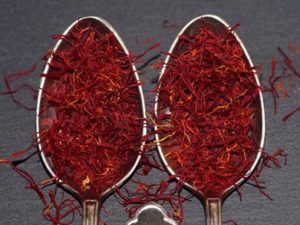
Saffron: This valuable spice is used in dishes like bouillabaisse, the famous fish stew from Marseille, where it imparts a golden colour and a subtle, earthy flavour.
Cayenne Pepper and Black Pepper: These are used to add heat and depth to dishes, balancing the more aromatic notes of the herbs.
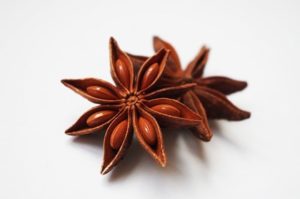
Anise and Fennel Seeds: These spices are used in both savory and sweet preparations, contributing a licorice-like flavour to dishes such as daube (a Provençal stew) or desserts like “pompe à l’huile” (a traditional olive oil bread).
Conclusion
The herbs and spices of Provence are not just seasonings; they are integral to the region’s culinary identity. Their use reflects a deep connection to the land and the Mediterranean climate, bringing the essence of Provence into every dish. The skilful combination of these aromatic plants and spices is what makes Provençal cuisine both distinct and beloved worldwide.